
Информационный центр
Какой грязный мир скрывает ручка двери
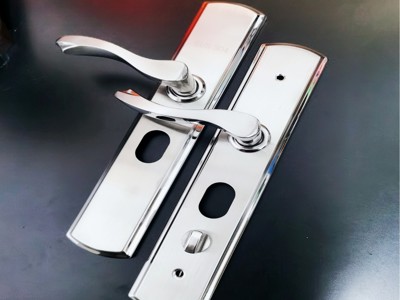
В повседневной жизни мы часто не задумываемся о том, что скрывается за обычными предметами, такими как дверные ручки. Они кажутся невинными и безобидными, но на самом деле они могут быть рассадником микробов, бактерий и вирусов, которые угрожают нашему здоровью. В этой статье мы глубоко исследуем этот скрытый мир, опираясь на научные данные, обсуждаем последствия для общественного здоровья и предлагаем практические решения для поддержания чистоты.
Введение в мир микробов на дверных ручках
Дверные ручки — это один из самых часто используемых объектов в любом здании. От офисов и школ до больниц и домов, мы прикасаемся к ним десятки раз в день. Каждое прикосновение оставляет после себя частицы кожи, пот, масла и, что самое главное, микроорганизмы. Исследования показывают, что на одной дверной ручке может находиться до thousands of бактерий, включая потенциально опасные патогены, такие как Staphylococcus aureus, Escherichia coli, и даже вирусы гриппа или COVID-19. Эти микробы могут выживать на поверхностях часами или даже днями, в зависимости от условий окружающей среды, таких как температура и влажность.
Научные основы: что говорят исследования
Многочисленные научные исследования подтверждают, что дверные ручки являются ключевыми точками передачи инфекций. Например, исследование, опубликованное в Journal of Hospital Infection, показало, что до 80% инфекций в больницах передаются через contaminated surfaces, включая дверные ручки. Другое исследование из США обнаружило, что в общественных туалетах ручки дверей содержат высокие уровни fecal bacteria, что может привести к распространению желудочно-кишечных заболеваний. Эти данные подчеркивают, насколько важно обращать внимание на гигиену таких common touchpoints.
Типы микробов и их воздействие на здоровье
На дверных ручках можно найти разнообразные микроорганизмы. Бактерии, такие как MRSA (метициллин-устойчивый Staphylococcus aureus), могут вызывать серьезные инфекции кожи и крови. Вирусы, включая риновирусы (вызывающие простуду) и коронавирусы, легко передаются через поверхности. Грибки и плесень также могут присутствовать, особенно во влажных environments, leading к аллергиям и респираторным проблемам. Для уязвимых групп населения, таких как дети, пожилые люди или люди с ослабленным иммунитетом, контакт с these pathogens может быть особенно опасен, увеличивая риск заболеваний.
Факторы, влияющие на уровень загрязнения
Уровень загрязнения дверных ручек зависит от нескольких факторов. Частота использования: чем больше people touch the handle, тем higher the microbial load. Материал ручки: металлические поверхности, такие как латунь или медь, имеют natural antimicrobial properties и могут reduce bacterial growth compared to plastics or wood. Окружающая среда: высокая влажность и тепло способствуют размножению микробов, в то время как сухие и cool conditions may inhibit them. Additionally, personal hygiene habits of users play a crucial role; if people не моют руки regularly, они переносят更多 микробов на ручки.
Общественные места vs. частные пространства
В общественных местах, таких как airports, shopping malls, или hospitals, дверные ручки подвергаются constant use by diverse individuals, making them hotspots for microbial contamination. Studies have shown that handles in these areas can harbor up to 10 times more bacteria than those in private homes. В contrast, в домашних условиях, где fewer people interact with the handles, the risk is lower, but still present if hygiene is neglected. Это emphasizes the need for enhanced cleaning protocols in public spaces to prevent outbreaks of infectious diseases.
Историческая перспектива и эволюция гигиены
Исторически, дверные ручки не always были recognized as health threats. В прошлом, до открытия микробов Louis Pasteur в 19 веке, люди не understood the concept of germ transmission. С развитием науки о гигиене, attention to surface cleanliness increased. В 20 веке, с pandemics like the Spanish flu, importance of disinfection became clearer. Today, in the era of COVID-19, awareness has skyrocketed, leading to innovations in self-cleaning materials and automated doors to reduce contact.
Психологический аспект: почему мы игнорируем риск
Несмотря на evidence, многие люди continue to ignore the risks associated with door handles due to psychological factors. Это phenomenon, known as "hygiene blindness," occurs because microbes are invisible to the naked eye, making the threat seem abstract. Additionally, habitual behavior leads us to touch surfaces without second thought. Education and awareness campaigns can help overcome this by making the invisible visible, for example through UV light demonstrations that show microbial contamination.
Экономические и социальные последствия
Загрязненные дверные ручки могут иметь significant economic impacts. Outbreaks of illnesses lead to increased healthcare costs, lost productivity due to sick days, and even closures of businesses. Socially, it can erode trust in public institutions if hygiene standards are not maintained. For instance, during the COVID-19 pandemic, businesses that implemented rigorous cleaning saw higher customer confidence and better recovery rates.
Способы очистки и дезинфекции
To combat microbial growth on door handles, regular cleaning is essential. Effective methods include using disinfectant wipes or sprays containing alcohol, bleach, or hydrogen peroxide. For high-touch areas, frequent cleaning schedules should be established—ideally multiple times a day. Antimicrobial coatings or materials, such as copper alloys, can provide continuous protection. Additionally, promoting hand hygiene among users through signage and hand sanitizer stations can reduce the initial contamination.
Инновационные решения и технологии
Современные технологии offer new ways to address this issue. Self-disinfecting door handles that use UV-C light or photocatalytic materials can automatically kill germs. Touchless options, such as motion-sensor doors or foot-operated handles, minimize physical contact entirely. Smart sensors can monitor microbial levels and alert when cleaning is needed. These innovations not only improve hygiene but also align with sustainable practices by reducing the need for chemical disinfectants.
Роль образования и общественной осведомленности
Education is key to changing behaviors. Schools, workplaces, and media campaigns should emphasize the importance of hand washing and avoiding touching faces after contact with surfaces. Public health organizations can provide guidelines on proper cleaning techniques. By raising awareness, we can create a culture of hygiene that reduces the spread of infections through door handles and other common touchpoints.
Заключение: призыв к действию
В заключение, дверные ручки hide a dirty world of microbes that poses real risks to health. Through scientific understanding, proper hygiene practices, and technological advancements, we can mitigate these risks. It is incumbent upon individuals, businesses, and governments to prioritize cleanliness in public and private spaces. Let's work together to make our environments safer by paying attention to the small details, like a simple door handle, that can have a big impact on our well-being.
Этот мир может быть грязным, но с knowledge and action, мы можем его очистить. Спасибо за чтение, и помните: мойте руки и disinfect those handles!
