
Информационный центр
Почему дверные ручки стали главным трендом современного дизайна
В мире дизайна интерьера и архитектуры тренды постоянно меняются, но некоторые элементы внезапно выходят на передний план, захватывая внимание профессионалов и любителей. Одним из таких неожиданных, но мощных трендов стали дверные ручки. Когда-то считавшиеся чисто функциональными деталями, они теперь играют ключевую роль в создании атмосферы, выражая индивидуальность и стиль. Почему же это произошло? Давайте погрузимся в глубины этого феномена, исследуя историю, функциональность, эстетику и будущее дверных ручек в современном дизайне.
Исторический контекст: от утилитарности к искусству
Дверные ручки существуют с древних времен, когда люди начали строить укрытия с дверями для безопасности и приватности. В античные времена, например, в Древнем Риме, ручки были простыми металлическими или деревянными изделиями, предназначенными исключительно для практического использования. Они редко привлекали внимание как объекты дизайна. Однако с развитием ремесел и искусства, особенно в эпоху Возрождения, дверные ручки начали приобретать декоративные элементы. Мастера добавляли резьбу, инкрустации и сложные формы, превращая их в произведения искусства. Это было связано с общим трендом украшения интерьеров дворцов и богатых домов, где каждая деталь должна была демонстрировать статус и вкус.
В XIX веке, с промышленной революцией, производство дверных ручек стало массовым. Это привело к стандартизации, но также и к появлению новых материалов, таких как чугун и латунь, которые позволили создавать более разнообразные дизайны. В викторианскую эпоху, например, ручки часто украшались орнаментами в стиле неоготики или барокко, отражая общие архитектурные тенденции. Тем не менее, они все еще оставались в тени более крупных элементов, таких как мебель или освещение.
Переломный момент наступил в середине XX века с rise of modernism. Архитекторы, такие как Ле Корбюзье и Мис ван дер Роэ, подчеркивали минимализм и функциональность. Дверные ручки стали частью этого движения: простые, геометрические формы, без излишеств, но с акцентом на ergonomics и materials. Это положило начало их трансформации в объекты дизайна, а не просто утилитарные аксессуары. С тех пор эволюция продолжилась, и сегодня мы видим, как дверные ручки стали центральным элементом в дизайне интерьеров, символизируя blend of form and function.
Функциональность и эргономика: почему это важно
Одной из ключевых причин, по которым дверные ручки вышли на первый план, является их фундаментальная функциональность. В отличие от многих декоративных элементов, ручки используются ежедневно, multiple times a day. Это делает их не только видимыми, но и tactilely experienceable. Хорошая ручка должна быть удобной для grip, easy to operate, и durable. Современные дизайнеры уделяют большое внимание ergonomics, разрабатывая формы, которые fit naturally in the hand, reduce strain, и enhance user experience. Например, ручки с мягкими закругленными краями или антимикробными покрытиями стали популярны в общественных spaces и домах, где гигиена и комфорт paramount.
Кроме того, функциональность расширилась за счет технологий. Умные дверные ручки, оснащенные biometric sensors, Bluetooth, или connectivity with home automation systems, позволяют управлять доступом удаленно, повышая безопасность и удобство. Это превращает ручки из passive objects into interactive devices, что делает их более relevant в digital age. Такие инновации привлекают внимание не только дизайнеров, но и tech-savvy потребителей, further driving the trend.
Важно отметить, что функциональность также включает accessibility. В дизайне для людей с ограниченными возможностями, ручки разрабатываются с учетом easy operation, например, с lever-style handles вместо knobs, которые требуют less force to turn. Это демонстрирует, как дизайн ручек evolved to be inclusive, reflecting broader social values and making them a trend not just in aesthetics, but in practicality.
Эстетика и стиль: выражение индивидуальности
Если функциональность является основой, то эстетика — это то, что catapulted дверные ручки в trend status. В современном дизайне интерьера все больше emphasis на деталях, которые создают cohesive and personalized spaces. Дверные ручки, будучи small but prominent, offer a perfect canvas for expression. Они могут complement или contrast с общим стилем комнаты, adding a touch of luxury, minimalism, или eclecticism.
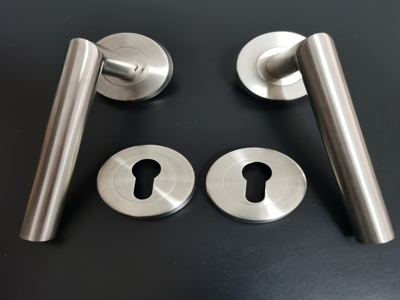
Например, в minimalist interiors, ручки из нержавеющей стали или matte black finish создают clean, unobtrusive look, усиливая ощущение simplicity and order. В contrast, в более традиционных или eclectic spaces, ручки с intricate patterns, gold plating, или unique shapes (например, inspired by nature или art) становятся focal points, drawing the eye and sparking conversation. Это versatility делает их ideal for trendsetting, as they can adapt to various design philosophies.
Материалы играют crucial role в эстетике. Раньше дверные ручки были primarily metal or wood, но сегодня используются innovative materials like glass, ceramic,甚至 recycled plastics или 3D-printed composites. Это not only expands design possibilities but also aligns with sustainability trends, appealing to environmentally conscious consumers. Brands are collaborating with artists and designers to create limited edition handles, turning them into collectible items rather than mere functional parts.
Кроме того, цвет и finish стали key factors. Trends like brushed brass, oil-rubbed bronze, или custom colors allow homeowners to personalize their spaces without major renovations. Social media platforms like Pinterest and Instagram have amplified this, with influencers showcasing how a simple change of door handle can transform a room's vibe, making it go viral and cementing its status as a design trend.
Влияние на общий дизайн пространства
Дверные ручки не существуют in isolation; они integral part of the architectural narrative. In open-plan layouts, which are prevalent in contemporary design, doors often serve as transitions between zones, and handles act as subtle markers that define these boundaries. A well-chosen handle can enhance flow and coherence, while a poorly chosen one can disrupt the harmony. Designers now consider handles as part of a holistic approach, coordinating them with other hardware like cabinet pulls, light fixtures, и даже faucets to create a unified look.
This attention to detail reflects a broader shift in design philosophy: the devil is in the details. In high-end projects, architects specify custom handles that are tailored to the project's theme, whether it's a brutalist concrete building or a soft, organic home. This elevates handles from afterthoughts to essential components of the design process, contributing to their trend status.
Moreover, in commercial spaces like hotels or offices, door handles contribute to brand identity. A luxury hotel might use ornate, bespoke handles to convey opulence, while a tech startup might opt for sleek, tech-integrated handles to signal innovation. This functional branding makes handles a powerful tool in experiential design, where every touchpoint matters.
Психологический аспект: почему мы обращаем внимание на ручки
Humans are tactile beings; we interact with our environment through touch, and door handles are one of the most frequently touched objects in a space. This physical interaction creates an emotional connection. A smooth, well-crafted handle can evoke feelings of quality and care, while a cheap, uncomfortable one might signal neglect. In design psychology, this is known as haptic feedback—it influences our perception of the entire space.
Additionally, in an era where personalization and self-expression are highly valued, small details like door handles allow individuals to make a statement without overwhelming changes. They serve as micro-expressions of personality, similar to how accessories complete an outfit. This psychological satisfaction drives people to invest in better handles, fueling the trend.
Furthermore, the rise of mindfulness and wellness in design has highlighted the importance of everyday experiences. Something as simple as turning a beautifully designed handle can bring a moment of joy or calm, contributing to overall well-being. Designers are leveraging this, creating handles that not only look good but feel good to use, enhancing daily rituals.
Экономические и рыночные факторы
The trend is also supported by economic factors. The door handle market has expanded significantly, with global brands and niche artisans offering a wide range of options. This competition drives innovation and affordability, making stylish handles accessible to more people. Online marketplaces and e-commerce have democratized design, allowing consumers to browse and purchase unique handles from around the world, further popularizing the trend.
Moreover, in real estate, attention to details like door handles can increase property value. Potential buyers often notice这些小东西, and high-quality handles can signal that the home is well-maintained and modern, influencing purchasing decisions. This has led to a surge in demand for designer handles in both residential and commercial sectors.
Sustainability is another economic driver. As consumers become more eco-conscious, there is a growing market for handles made from sustainable materials or designed for longevity, reducing waste. Brands that emphasize ethical production and durability are gaining traction, aligning the trend with broader environmental movements.
Будущее тренда: что ждет дверные ручки дальше
The trend of door handles as a key design element is likely to continue evolving. With advancements in technology, we can expect more integration with smart home systems, such as handles that unlock via facial recognition or adapt to user preferences. Biodegradable materials and circular design principles will become standard, reflecting a commitment to sustainability.
In terms of aesthetics, trends may shift towards hyper-personalization, with 3D printing allowing consumers to create custom handles at home. Collaboration between designers and tech companies could lead to handles that change color or shape dynamically, responding to the environment or mood.
Ultimately, the enduring appeal of door handles lies in their dual nature: they are both functional and expressive. As design continues to emphasize human-centered approaches, these small but significant elements will remain at the forefront, symbolizing how attention to detail can transform everyday experiences.
Заключение
В заключение, дверные ручки стали главным трендом современного дизайна благодаря их уникальной combination of functionality, aesthetics, and psychological impact. Они evolved from humble utilities to statement pieces that reflect personal style and technological innovation. As we move forward, их role will only grow, reminding us that in design, it's often the smallest details that make the biggest difference. Whether you're a designer, homeowner, or simply an enthusiast, embracing this trend can elevate your space and enrich your daily life.
Таким образом, next time you reach for a door handle, take a moment to appreciate it—it might just be the trendiest thing in the room.
