
Информационный центр
Как сделать дверную ручку более эргономичной
Вы когда-нибудь задумывались, почему некоторые дверные ручки кажутся неудобными или даже вызывают дискомфорт при использовании? Возможно, вы сталкивались с ситуацией, когда после долгого дня рука устает от постоянного открывания и закрывания дверей. Это не просто случайность – это вопрос эргономики. Эргономика, наука о проектировании устройств для удобства и эффективности пользователя, играет ключевую роль в нашей повседневной жизни. В этой статье мы подробно разберем, как можно сделать дверную ручку более эргономичной, используя простые методы и DIY (сделай сам) подходы. Мы начнем с основ эргономики, затем перейдем к анализу текущих проблем, предложим практические решения и закончим советами по реализации. Цель – помочь вам создать ручки, которые не только функциональны, но и приятны в использовании, улучшая общий комфорт в вашем доме.
Что такое эргономика и почему она важна для дверных ручек?
Эргономика – это междисциплинарная наука, которая фокусируется на проектировании продуктов, систем и сред для оптимизации человеческого благополучия и общей производительности. Она учитывает анатомические, физиологические и психологические аспекты пользователя. Для дверных ручек эргономика означает, что ручка должна быть спроектирована так, чтобы минимизировать усилие, необходимое для ее использования, снизить риск травм (например, растяжений или усталости) и обеспечить интуитивное взаимодействие. Представьте себе: если ручка слишком маленькая или имеет острые углы, она может вызывать боль в руке при частом использовании. Исследования показывают, что плохая эргономика может привести к долгосрочным проблемам, таким как синдром запястного канала или артрит. Поэтому, инвестируя в эргономичные ручки, вы не только улучшаете удобство, но и заботитесь о своем здоровье. В мире, где мы постоянно взаимодействуем с дверями – от входных до межкомнатных – эргономика становится не роскошью, а необходимостью.
Каковы основные проблемы неэргономичных дверных ручек?
Неэргономичные дверные ручки могут проявляться в различных формах. Одна из最常见的 проблем – неподходящий размер. Если ручка слишком мала, она требует большего усилия для захвата, что может напрягать мышцы руки. Напротив, слишком большая ручка может быть неудобна для людей с меньшими ладонями. Другая проблема – форма. Ручки с острыми краями или угловатым дизайном могут вызывать дискомфорт или даже порезы. Материал также играет роль: металлические ручки без покрытия могут быть холодными на ощупь зимой или скользкими при потных руках, что снижает удобство. Кроме того, неправильная высота установки может заставлять пользователя наклоняться или тянуться, создавая дополнительную нагрузку на спину и плечи. В долгосрочной перспективе это может привести к хроническим болям. Например, в офисных зданиях, где двери используются frequently, сотрудники часто жалуются на усталость рук из-за плохих ручек. Identifying these issues is the first step toward making improvements.
Как оценить эргономику существующей дверной ручки?
Прежде чем вносить изменения, важно оценить текущую ситуацию. Начните с простого теста: откройте и закройте дверь несколько раз, обращая внимание на ощущения в руке. Чувствуете ли вы напряжение? Ручка легко захватывается? Измерьте размер ручки – идеальная ручка должна comfortably fit in the average adult hand, with a diameter of around 3-4 cm for a round handle or a length that allows full palm contact. Проверьте материал: если он холодный или скользкий, consider adding a grip. Также оцените угол и высоту установки. Ручка должна быть positioned at a height that allows natural arm movement – typically between 90-110 cm from the floor for most adults. Use a tape measure and perhaps even ask family members for feedback to get a comprehensive view. Tools like ergonomic assessment apps or consulting online resources can provide additional insights. Remember, the goal is to identify areas for improvement without necessarily replacing the entire handle upfront.
Какие материалы лучше всего подходят для эргономичных дверных ручек?
Выбор материала критически важен для эргономики. Идеальные материалы должны быть теплыми на ощупь, нескользящими и durable. Дерево – отличный вариант, так как оно naturally warm and provides a good grip. Однако, оно может потребовать регулярного обслуживания. Пластик с текстурой или резиновым покрытием offers excellent grip and is lightweight, making it easy to use. Металлы, такие как нержавеющая сталь или латунь, прочны, но могут быть холодными; consider adding a silicone or leather wrap for comfort. Новые материалы, like thermoplastic elastomers, combine the best of both worlds: they are soft, grippy, and resistant to wear. When selecting a material, think about the environment – for example, in bathrooms or kitchens, choose materials that are water-resistant. DIY enthusiasts can even repurpose old materials, such as wrapping a handle in paracord or using epoxy to create a custom grip. The key is to prioritize comfort and safety over purely aesthetic considerations.
Как изменить форму дверной ручки для улучшения эргономики?
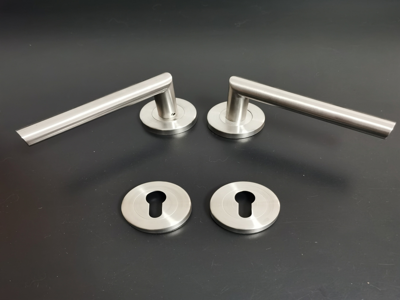
Форма ручки greatly influences its ergonomics. A curved or contoured design that fits the natural shape of the hand is ideal. For lever-style handles, ensure the lever has a smooth, rounded end to prevent poking. If your current handle is too angular, consider sanding down sharp edges or using a file to round them off. For round knobs, adding a grip sleeve can make them easier to turn. In DIY projects, you can mold a new shape using materials like clay or epoxy putty, then seal it for durability. Another approach is to attach additional elements, such as a ergonomic grip attachment available online or made from foam. The goal is to create a surface that distributes pressure evenly across the hand, reducing hot spots and fatigue. Test different shapes by prototyping with cheap materials before committing to permanent changes. Remember, small adjustments can make a big difference in daily comfort.
Какие инструменты и методы DIY можно использовать для модификации ручки?
Для самостоятельного улучшения эргономики ручки вам понадобятся basic tools and some creativity. Common tools include a screwdriver to remove the handle, sandpaper or a file for smoothing edges, and adhesive for attaching new materials. Methods vary: you can wrap the handle with tennis racket grip tape, which is cheap and provides excellent traction. Alternatively, use heat-shrink tubing – when heated, it conforms to the handle shape and adds a rubberized coating. For a more permanent solution, consider applying a layer of epoxy resin mixed with color or texture, then sand it smooth. If you're skilled, you might even carve a new handle from wood or 3D print a custom design. Online tutorials and forums are great resources for step-by-step guides. Always prioritize safety: wear gloves and eye protection when working with tools, and ensure the handle is securely reattached after modifications. DIY not only saves money but allows for personalized ergonomic solutions.
Как установка и высота влияют на эргономику дверной ручки?
Установка ручки – это often overlooked aspect of ergonomics. The height should be based on the user's average stature; for most homes, 95-105 cm from the floor is recommended, as it allows a natural arm position without bending. If the handle is too high or low, it can cause strain on the shoulders or wrists. Additionally, the angle of the handle matters – for lever handles, they should be oriented so that the motion of opening is intuitive and requires minimal force. When reinstalling a handle, use a level to ensure it is straight, and check that the latch mechanism works smoothly to avoid unnecessary exertion. In multi-user environments, consider adjustable handles or installing handles at different heights for accessibility. For DIY adjustments, you may need to drill new holes or use mounting brackets, but always follow manufacturer guidelines to avoid damaging the door. Proper installation ensures that ergonomic improvements are effective and long-lasting.
Какие есть готовые решения для эргономичных дверных ручек?
Если DIY не для вас, существует множество готовых эргономичных ручек на рынке. Ищите products labeled as "ergonomic" or "comfort grip" from brands like Schlage, Kwikset, or Hafele. These often feature soft-touch materials, contoured shapes, and anti-slip surfaces. Например, некоторые ручки имеют встроенные амортизаторы для плавного хода или регулируемую высоту. Цены варьируются от бюджетных options around 500-1000 рублей до премиум-моделей за несколько тысяч. При выборе обращайте внимание на отзывы пользователей и сертификаты, такие как ADA (Americans with Disabilities Act) compliance, which indicates good ergonomics. Additionally, smart handles with biometric or keyless entry can offer ergonomic benefits by reducing the need for physical keys. However, for most homes, a simple upgraded handle from a hardware store can suffice. Compare features and test handles in person if possible to ensure they meet your needs.
Как поддерживать эргономику дверной ручки со временем?
После того как вы сделали ручку эргономичной, важно поддерживать ее в good condition. Регулярно очищайте ручку мягким мылом и водой to remove dirt and oils that can make it slippery. Проверяйте крепления – если ручка расшаталась, подтяните винты to prevent wobbling that could cause discomfort. Для деревянных или покрытых ручек, periodically reapply sealant or oil to maintain the grip and appearance. Если вы использовали DIY modifications like wraps, replace them when they show signs of wear. Also, be mindful of changes in household needs – for example, if someone develops arthritis, you might need to further adapt the handle. Long-term, consider scheduling an annual check-up of all door handles in your home to ensure they remain ergonomic and functional. Maintenance not only preserves comfort but also extends the life of your modifications, saving you money and effort in the long run.
Заключение: Стоит ли invest в эргономичные дверные ручки?
В заключение, сделать дверную ручку более эргономичной – это achievable goal that can significantly enhance daily life. Whether through DIY methods or purchasing ready-made solutions, the benefits include reduced physical strain, increased comfort, and even improved home accessibility. Start by assessing your current handles, then experiment with materials, shapes, and installation adjustments. Remember, small changes can have a big impact – for instance, adding a simple grip wrap might make opening doors a pleasure rather than a chore. As we spend more time at home, investing in ergonomics is an investment in well-being. So, take action today: grab some tools, get creative, and transform your door handles into ergonomic masterpieces. Your hands will thank you!
Если у вас есть вопросы или собственный опыт, делитесь в комментариях – вместе мы can make every door a joy to use.
