
Информационный центр
Можно ли перерабатывать старые дверные ручки эффективно
В современном мире, где экологическая осведомленность и устойчивое развитие становятся все более важными, вопросы переработки отходов занимают центральное место. Одним из таких вопросов является возможность эффективной утилизации старых дверных ручек. Эти небольшие, но прочные металлические изделия часто оказываются на свалках, но могут ли они быть переработаны с пользой для окружающей среды и экономики? В этой статье мы подробно рассмотрим этот вопрос, исследуя методы переработки, преимущества и практические советы для домовладельцев и предприятий.
Что такое дверные ручки и почему их переработка важна
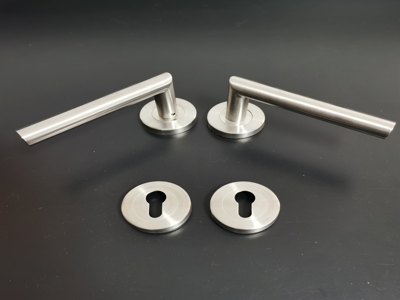
Дверные ручки — это функциональные элементы, используемые в домах, офисах и общественных зданиях для открытия и закрытия дверей. Они изготавливаются из различных материалов, включая металлы (такие как сталь, латунь, алюминий и цинк), пластик, стекло или дерево. Со временем ручки изнашиваются, ломаются или просто устаревают, что приводит к их замене и образованию отходов. Ежегодно миллионы старых дверных ручек выбрасываются, contributing to landfill waste and environmental degradation. Переработка этих изделий not only reduces waste but also conserves natural resources, as metals can be melted down and reused indefinitely without loss of quality. For instance, recycling steel saves up to 74% of the energy required to produce new steel from raw materials, according to environmental studies. This makes door handle recycling a small but significant step towards a circular economy.
Методы переработки дверных ручек
Эффективная переработка дверных ручек зависит от их материала. Металлические ручки, которые составляют большинство, могут быть processed through standard metal recycling facilities. The process typically involves collection, sorting, shredding, melting, and purification. For example, steel handles are separated using magnets, while non-ferrous metals like brass or aluminum are sorted by density or color. After melting, the metal is cast into new products, such as automotive parts or construction materials. Plastic or composite handles require different approaches, such as mechanical recycling where they are ground into pellets for reuse in injection molding. However, challenges exist, such as contamination from paints or coatings, which must be removed through chemical or thermal processes. Innovative methods, like hydrometallurgy for extracting precious metals from alloys, are also emerging, enhancing efficiency. Case studies from recycling companies show that up to 95% of metal from door handles can be recovered, making it a highly viable option.
Экологические и экономические преимущества
Переработка старых дверных ручек offers numerous benefits. Environmentally, it reduces greenhouse gas emissions by minimizing the need for mining and refining new metals. For instance, recycling one ton of steel prevents the emission of approximately 1.5 tons of CO2. It also decreases water usage and land pollution associated with landfills. Economically, recycling creates jobs in the waste management sector and provides a source of raw materials for industries, often at lower costs than virgin materials. Consumers can even earn money by selling scrap metal to recycling centers; prices vary but can reach a few dollars per kilogram for metals like brass. Moreover, companies that adopt recycling practices enhance their corporate social responsibility image, attracting environmentally conscious customers. Overall, the circular approach not only saves resources but also fosters sustainable economic growth.
Практические шаги для переработки
Чтобы effectively recycle old door handles, individuals and businesses should follow a few simple steps. First, remove the handles from doors carefully to avoid damage. Then, sort them by material type—metals, plastics, etc.—as this simplifies the recycling process. Local recycling centers or scrap yards often accept metal items; check their guidelines for acceptance criteria. Some municipalities offer curbside pickup for metal waste, while others require drop-off. For handles with mixed materials, disassemble them if possible to separate components. Additionally, consider upcycling or donating functional handles to charities or reuse stores, extending their life and reducing waste. Education and awareness campaigns can encourage more people to participate, making recycling a community effort. By taking these actions, we can collectively contribute to a greener planet.
Инновации и будущее переработки
The future of door handle recycling looks promising with advancements in technology. Smart sorting systems using AI and robotics are improving efficiency in recycling facilities, allowing for better separation of materials. New alloys and designs are being developed to make handles easier to disassemble and recycle. For example, modular handles with snap-fit components facilitate recycling. Furthermore, initiatives like extended producer responsibility (EPR) are pushing manufacturers to design products with end-of-life recycling in mind. Research into biodegradable or compostable materials for handles is also underway, though metals remain dominant due to durability. As global awareness of sustainability grows, we can expect increased investment in recycling infrastructure, making it even more effective to recycle items like door handles. This progress aligns with UN Sustainable Development Goals, emphasizing the importance of waste reduction.
Заключение
В заключение, переработка старых дверных ручек не только возможна, но и highly effective when done properly. By understanding the materials involved, utilizing available recycling methods, and embracing innovations, we can turn waste into valuable resources. This practice supports environmental conservation, economic benefits, and a sustainable future. We encourage everyone to take action—whether by recycling at home or advocating for better policies—to ensure that old door handles don't end up in landfills but are given a new life. Together, we can make a difference, one handle at a time.
