
Информационный центр
Перерабатывайте дверные ручки для устойчивого развития и экологии
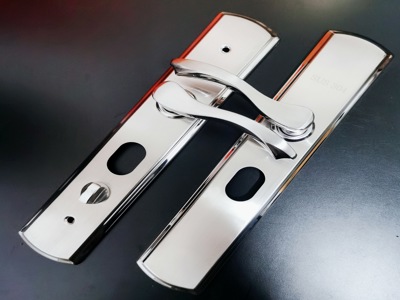
В современном мире, где экологические проблемы становятся все более актуальными, устойчивое развитие выходит на первый план. Одной из ключевых стратегий для достижения этой цели является переработка отходов, включая такие, казалось бы, обыденные предметы, как дверные ручки. Переработка дверных ручек может показаться незначительной деталью в общем контексте экологии, но на самом деле она играет важную роль в снижении нагрузки на окружающую среду, экономии ресурсов и продвижении циркулярной экономики. В этой статье мы подробно рассмотрим, почему переработка дверных ручек важна для устойчивого развития и экологии, как ее можно эффективно осуществлять, и какие выгоды это приносит обществу и планете в целом.
Введение в проблему отходов и устойчивого развития
Глобальное производство отходов продолжает расти угрожающими темпами. По данным Всемирного банка, к 2050 году объем твердых отходов увеличится на 70%, если не будут приняты срочные меры. Это создает огромное давление на экосистемы, способствует изменению климата и истощению природных ресурсов. Устойчивое развитие, как концепция, предложенная ООН, направлена на удовлетворение потребностей настоящего без ущерба для способности будущих поколений удовлетворять свои собственные потребности. Ключевыми принципами устойчивого развития являются сокращение отходов, повторное использование материалов и переработка. В этом контексте даже мелкие предметы, такие как дверные ручки, могут внести значительный вклад.
Дверные ручки — это повсеместно распространенные элементы в зданиях и домах. Они изготавливаются из различных материалов, включая металлы (такие как сталь, алюминий, латунь), пластик, дерево и стекло. При замене или ремонте зданий старые дверные ручки часто выбрасываются, что приводит к накоплению отходов на свалках. Например, только в Европейском союзе ежегодно выбрасываются миллионы дверных ручек, многие из которых содержат ценные материалы, пригодные для переработки. Переработка этих ручек не только уменьшает объем отходов, но и позволяет сохранить энергию и сырье, необходимые для производства новых изделий.
Более того, переработка дверных ручек способствует развитию циркулярной экономики, где продукты и материалы используются максимально долго, а отходы минимизируются. Это противостоит линейной экономике "бери-производи-выбрасывай", которая доминировала в прошлом веке и привела к экологическому кризису. Внедрение практик переработки для таких предметов, как дверные ручки, может служить моделью для более широких изменений в обществе, поощряя ответственное потребление и производство.
Экологические преимущества переработки дверных ручек
Переработка дверных ручек предлагает множество экологических выгод, которые напрямую способствуют устойчивому развитию. Во-первых, она снижает потребность в добыче новых сырьевых материалов. Например, металлические дверные ручки часто содержат железо, алюминий или медь, добыча которых связана с значительным environmental impact, включая вырубку лесов, эрозию почвы и загрязнение воды. Переработка металла позволяет сократить эти негативные эффекты на 70-90% по сравнению с первичным производством, согласно исследованиям Агентства по охране окружающей среды США.
Во-вторых, переработка экономит энергию. Производство новых материалов из переработанного сырья требует меньше энергии, чем из первичных ресурсов. Для алюминия, который часто используется в дверных ручках, переработка экономит до 95% энергии, необходимой для производства из бокситовой руды. Это не только снижает выбросы парниковых газов, но и помогает бороться с изменением климата. Учитывая, что энергетический сектор является major contributor к global warming, такие меры имеют кумулятивный эффект при масштабировании.
В-третьих, переработка дверных ручек уменьшает объем отходов на свалках. Свалки являются источниками methane emissions, potent greenhouse gas, а также могут lead to soil and water contamination from leaching chemicals. By diverting door handles from landfills, we can mitigate these risks. Additionally, recycling promotes biodiversity by reducing habitat destruction associated with mining and logging for new materials.
Furthermore, recycling door handles can inspire broader environmental awareness. When individuals and businesses see the tangible benefits of recycling small items, they are more likely to adopt sustainable practices in other areas, creating a ripple effect that amplifies ecological benefits. Educational campaigns focused on recycling door handles can serve as entry points for discussing larger environmental issues, such as waste management and resource conservation.
Экономические выгоды переработки дверных ручек
Помимо экологических преимуществ, переработка дверных ручек приносит значительные экономические выгоды, которые поддерживают устойчивое развитие. Во-первых, она создает новые job opportunities в секторе переработки и утилизации. According to the Bureau of Labor Statistics, the recycling industry employs millions of people worldwide in roles such as collection, sorting, processing, and manufacturing. Focusing on niche items like door handles can spur innovation and specialization, leading to economic growth in green sectors.
Во-вторых, переработка reduces costs associated with waste disposal. Landfill fees and waste management expenses can be substantial for municipalities and businesses. By recycling door handles, these entities can lower their operational costs. For example, in cities with advanced recycling programs, the cost of recycling is often lower than landfilling due to revenues from selling recycled materials. This financial incentive encourages more participation in recycling initiatives.
В-третьих, переработка supports local economies by providing a steady supply of raw materials for manufacturers. Recycled metals from door handles can be used to produce new products, reducing dependence on imported materials and stabilizing prices. This enhances economic resilience and promotes self-sufficiency. In regions with limited natural resources, recycling becomes a crucial strategy for sustainable economic development.
Moreover, businesses that adopt recycling practices for door handles can improve their corporate image and attract environmentally conscious consumers. This can lead to increased sales and brand loyalty, providing a competitive advantage in the market. Governments can also offer tax incentives or subsidies for recycling activities, further boosting economic benefits. Overall, the economic advantages of recycling door handles align with the principles of sustainable development by fostering inclusive and sustainable economic growth.
Практические шаги для переработки дверных ручек
Чтобы эффективно перерабатывать дверные ручки, необходимо понимать practical steps involved. Первый шаг — это collection. Дверные ручки should be collected separately from other waste to avoid contamination. This can be done through dedicated recycling bins at homes, offices, and construction sites. Local governments or private companies can organize collection drives or provide pick-up services for larger quantities.
Второй шаг — sorting. Поскольку дверные ручки made from different materials, they need to be sorted accordingly. Metal handles should be separated from plastic or wooden ones. Advanced sorting facilities use magnets for ferrous metals and eddy current separators for non-ferrous metals like aluminum. Manual sorting may be necessary for complex handles with multiple materials.
Третий шаг — processing. После сортировки материалы отправляются на processing facilities. Металлические ручки melted down in furnaces to produce new metal products. Plastic handles are shredded, cleaned, and pelletized for reuse in manufacturing. Wooden handles can be composted or used for energy recovery if not suitable for recycling. It's important to ensure that processing is done in an environmentally friendly manner, with emissions controls and energy efficiency measures in place.
Четвертый шаг — reuse and repurposing. В некоторых случаях дверные ручки can be reused directly after minor repairs or refurbishment. This is even more sustainable than recycling, as it requires less energy and resources. Creative repurposing ideas include using old door handles as decorative items, art projects, or functional parts in new products. Encouraging reuse extends the lifespan of materials and reduces waste further.
Для успешной реализации этих шагов необходимо collaboration between stakeholders: individuals, businesses, governments, and recycling industries. Public awareness campaigns can educate people on how to recycle door handles properly. Governments can implement policies that mandate recycling for construction and demolition waste, which often includes door handles. Businesses can adopt green procurement policies that prioritize recycled materials. By working together, we can make door handle recycling a standard practice.
Глобальные тенденции и инновации в переработке
Глобально, переработка дверных ручек is part of a larger movement towards sustainable waste management. В Европейском союзе, например, Directive on Waste Electrical and Electronic Equipment (WEEE) encourages recycling of various products, and similar principles can be applied to door handles. Innovations in technology are making recycling more efficient. For instance, AI-powered sorting machines can accurately identify and separate different materials, increasing recovery rates.
Another trend is the rise of circular economy models, where products are designed for disassembly and recycling. Manufacturers are increasingly producing door handles with recyclability in mind, using mono-materials or easily separable components. This design approach reduces the complexity of recycling and enhances environmental benefits.
Additionally, there is growing interest in upcycling, where discarded door handles are transformed into higher-value products. For example, artists and designers create furniture or jewelry from old handles, adding aesthetic and economic value. This not only reduces waste but also promotes creativity and cultural sustainability.
On a policy level, countries are setting ambitious recycling targets. For instance, Germany aims to recycle 65% of municipal waste by 2030, and initiatives like these include items such as door handles. International collaborations, such as the Basel Convention, regulate the transboundary movement of hazardous waste, ensuring that recycling is done responsibly worldwide.
These trends indicate a positive shift towards a more sustainable future. By embracing innovations and global best practices, we can enhance the recycling of door handles and contribute significantly to environmental protection and sustainable development.
Заключение: призыв к действию
В заключение, переработка дверных ручек — это не просто minor endeavor, а vital component of sustainable development and ecology. Она offers environmental benefits by reducing resource extraction, saving energy, and minimizing waste. Economically, it creates jobs, lowers costs, and supports local industries. Practically, it involves simple steps that can be integrated into daily life with proper awareness and infrastructure.
Мы призываем всех — individuals, businesses, and governments — to take action. Start by recycling your old door handles instead of throwing them away. Support policies that promote recycling and sustainable design. Invest in innovations that make recycling more efficient. Together, we can turn small actions into significant impacts, ensuring a healthier planet for future generations.
Устойчивое развитие требует collective effort, и переработка дверных ручек is a perfect example of how every little bit helps. Let's work towards a circular economy where nothing is wasted, and everything is valued. Спасибо за внимание к этой важной теме.
