

Информационный центр
Почему дверные ручки важны для дизайна интерьера
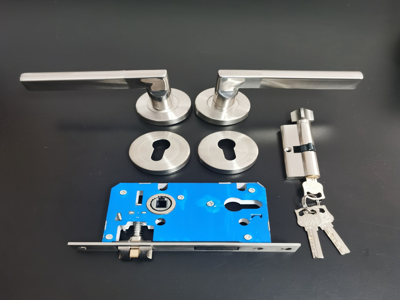
В мире дизайна интерьера часто акцент делается на крупных элементах, таких как мебель, цвет стен или освещение, но именно мелкие детали, как дверные ручки, играют решающую роль в создании целостного и привлекательного образа. Дверные ручки — это не просто функциональные аксессуары; они являются точками контакта, которые соединяют нас с пространством, отражая стиль, эстетику и даже философию дизайна. В этой статье мы подробно рассмотрим, почему дверные ручки так важны для дизайна интерьера, охватывая их историческое значение, функциональные аспекты, эстетическое влияние, материалы, стили, практические советы по выбору и будущие тенденции. Мы углубимся в примеры из различных эпох и культур, чтобы показать, как эти, казалось бы, незначительные элементы могут преобразить любое помещение.
Исторический контекст: эволюция дверных ручек
Дверные ручки имеют богатую историю, уходящую корнями в древние времена. Первые прототипы появились еще в Древнем Египте и Риме, где ручки изготавливались из дерева или металла и служили primarily функциональным целям — для открывания и закрывания дверей. В Средневековье, с развитием кузнечного дела, ручки стали более украшенными, часто featuring intricate designs that reflected the status and wealth of the owner. For example, in Gothic architecture, door handles were ornate and symbolic, incorporating religious motifs. The Renaissance period brought a focus on artistry and humanism, with handles becoming more elegant and refined, often made from brass or bronze with detailed engravings. The Industrial Revolution of the 19th century mass-produced door handles, making them accessible to the middle class, but also led to a standardization that sometimes sacrificed uniqueness. In the 20th century, movements like Art Deco and Modernism introduced minimalist designs, emphasizing form and function. Today, door handles continue to evolve, blending tradition with innovation, and their history reminds us that они всегда были неотъемлемой частью архитектурного выражения.
Функциональная роль: больше, чем просто открывание
Хотя эстетика важна, функциональность дверных ручек остается их основной purpose. Они обеспечивают easy access to rooms, enhance security, and contribute to the overall usability of a space. A well-designed handle should be ergonomic, comfortable to grip, and durable enough to withstand daily use. For instance, in high-traffic areas like offices or public buildings, handles made from robust materials like stainless steel are essential to prevent wear and tear. Additionally, door handles can incorporate locking mechanisms, adding a layer of safety and privacy. In modern smart homes, handles are integrated with technology, such as keyless entry systems or biometric scanners, showcasing how functionality has advanced. However, functionality isn't just about practicality; it's also about psychological comfort. A smooth, reliable handle can make a space feel more inviting and well-maintained, whereas a faulty or uncomfortable one can create frustration and detract from the user experience. Thus, choosing the right handle involves balancing aesthetics with practical needs to ensure it serves its purpose effectively.
Эстетическое влияние: дверные ручки как декоративные элементы
Дверные ручки act as subtle yet powerful decorative accents that can define the character of a room. They are often the first thing people touch when entering a space, making them a key element in first impressions. A beautifully designed handle can complement the overall style—be it classic, contemporary, or eclectic—and add a touch of luxury or whimsy. For example, in a minimalist interior, a sleek, metallic handle can enhance the clean lines and simplicity, while in a vintage-themed room, an ornate, antique-style handle can evoke nostalgia and charm. The finish and color of the handle also play a role; polished chrome might convey modernity, whereas oil-rubbed bronze can suggest warmth and tradition. Moreover, handles can be used to create visual continuity throughout a home; matching handles on all doors can unify the design, while varied styles can differentiate spaces. In high-end design, custom-made handles are commissioned to be unique art pieces, demonstrating that even small details can elevate the entire aesthetic.
Материалы и отделки: выбор под стиль
The choice of materials for door handles is crucial, as it affects both durability and appearance. Common materials include metal (e.g., brass, stainless steel, bronze), wood, glass, and even plastic for budget options. Each material has its own characteristics: brass offers a classic, warm look and develops a patina over time, adding character; stainless steel is durable and modern, resistant to corrosion; wood provides a natural, organic feel, often used in rustic or Scandinavian designs; and glass or crystal handles can add elegance and light reflection, perfect for luxurious settings. Finishes further customize the look—options range from polished and satin to matte and textured surfaces. For instance, a black matte finish is trendy in contemporary interiors, while a polished nickel finish might suit traditional spaces. It's important to consider the environment; in humid areas like bathrooms, corrosion-resistant materials are advisable. Ultimately, the material should align with the overall design theme and practical requirements, ensuring that the handle not only looks good but also lasts long.
Стили дверных ручек: от классики до современности
Door handles come in a myriad of styles, each suitable for different interior themes. Classic styles, such as those from the Victorian or Baroque periods, feature elaborate designs with curves, scrolls, and decorative elements, often made from brass or bronze. These are ideal for traditional homes or to add a touch of opulence. Transitional styles blend classic and modern elements, offering a balanced look that appeals to many. Modern and contemporary handles emphasize simplicity, with clean lines, geometric shapes, and minimal ornamentation; materials like brushed nickel or aluminum are common. Industrial styles draw inspiration from factories and warehouses, using raw metals and utilitarian designs. Eclectic styles allow for mixing and matching, perhaps combining a vintage handle with a modern door for a unique effect. Additionally, regional influences play a role; for example, Japanese design often features minimalist, natural handles made from wood or bamboo, reflecting wabi-sabi aesthetics. Understanding these styles helps in selecting handles that harmonize with the interior, creating a cohesive and intentional design.
Практические советы по выбору дверных ручек
Selecting the right door handle involves several considerations. First, assess the function: for interior doors, lever handles are often preferred for ease of use, while knob handles might suit certain styles. For exterior doors, security is paramount, so choose handles with robust locking systems. Second, match the handle to the door type and size; larger doors may require more substantial handles for proportion. Third, consider the overall design scheme; take samples or photos of your interior to ensure the handle complements colors, textures, and other hardware like hinges or light fixtures. Fourth, think about ergonomics—test the handle for comfort, especially if used frequently by children or elderly people. Fifth, budget is important; while custom handles can be expensive, there are affordable options that still offer quality. Sixth, installation matters; some handles require professional fitting, so factor that into your decision. Lastly, don't forget maintenance; choose materials that are easy to clean and maintain over time. By following these tips, you can make an informed choice that enhances both beauty and functionality.
Психологические аспекты: как ручки влияют на восприятие пространства
Door handles subtly influence our psychological experience of a space. They are tactile elements that engage our sense of touch, which can evoke emotions and memories. A cold, metallic handle might feel sleek and modern, triggering associations with efficiency and professionalism, while a warm, wooden handle can feel inviting and cozy, reminiscent of nature and comfort. In commercial settings, well-designed handles can enhance brand identity; for example, a luxury hotel might use ornate handles to convey exclusivity. In homes, handles can affect mood; a smooth, easy-to-use handle can reduce stress and make daily routines more pleasant. Moreover, the placement and design of handles can guide movement through a space, influencing flow and accessibility. For people with disabilities, lever-style handles are often easier to use, promoting inclusivity. Thus, considering the psychological impact helps in creating spaces that are not only visually appealing but also emotionally resonant and user-friendly.
Примеры из практики: успешное использование дверных ручек в дизайне
Real-world examples illustrate the importance of door handles in interior design. In historical landmarks like the Winter Palace in St. Petersburg, ornate golden handles contribute to the grandeur and historical authenticity. In modern architecture, such as works by Zaha Hadid, sleek, integrated handles blend seamlessly with the fluid forms, emphasizing innovation. Residential projects often showcase personalized choices; for instance, a minimalist apartment in Moscow might use black matte handles to create a sharp, contemporary look, while a countryside home could feature hand-forged iron handles for a rustic charm. Commercial spaces like restaurants use handles to reinforce themes; a vintage café might have antique brass handles to enhance the nostalgic atmosphere. These examples demonstrate that thoughtful selection of door handles can significantly enhance the narrative and functionality of a space, proving that details matter in achieving design excellence.
Будущие тенденции: инновации в дизайне дверных ручек
The future of door handles is shaped by technological advancements and evolving design trends. Smart handles with integrated sensors, fingerprint recognition, or connectivity to home automation systems are becoming more popular, offering convenience and enhanced security. Sustainability is another key trend, with handles made from recycled materials or designed for easy disassembly and recycling. In terms of aesthetics, there is a move towards customization and personalization, allowing individuals to create unique handles that reflect their personality. Minimalism continues to influence design, with handles becoming even more discreet or hidden to maintain clean lines. Additionally, biophilic design incorporates natural elements, such as handles made from sustainable woods or with organic shapes. As interiors evolve towards more holistic and human-centered approaches, door handles will likely continue to play a vital role, blending innovation with timeless appeal.
Заключение: не underestimate силу деталей
В заключение, дверные ручки — это гораздо больше, чем просто функциональные объекты; они являются integral part of interior design that bridges practicality and artistry. From their historical roots to modern innovations, they contribute to the aesthetic harmony, usability, and emotional impact of a space. By paying attention to materials, styles, and ergonomics, designers and homeowners can elevate their interiors to new heights. As we look to the future, the evolution of door handles will continue to reflect broader trends in technology and sustainability, but their core importance will remain. So, next time you plan a design project, remember to give door handles the consideration they deserve—because in the details lies the true magic of design.
Эта статья aimed to provide a comprehensive overview, but the topic is vast and ever-evolving. We encourage further exploration and experimentation with different handle designs to discover what works best for your unique space. Спасибо за чтение!
