

Информационный центр
Что такое механизм дверной ручки для телефона и как он работает
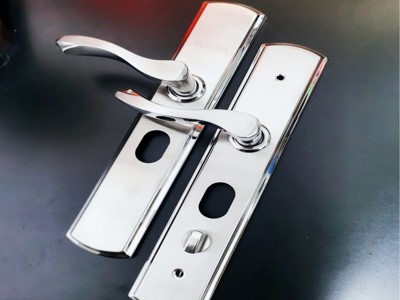
Вы когда-нибудь задумывались, как ваш смартфон открывается и закрывается с такой легкостью? Возможно, вы даже не замечали, что внутри вашего устройства скрывается небольшой, но важный механизм, напоминающий дверную ручку. Да, мы говорим о механизме дверной ручки для телефона! Что это такое? Как он функционирует? И почему это так важно для современной электроники? В этой статье мы глубоко погрузимся в тему, чтобы ответить на все ваши вопросы, объяснить принципы работы, историю развития и практические аспекты. Приготовьтесь к увлекательному путешествию в мир микро-механики!
Что такое механизм дверной ручки для телефона?
Прежде чем перейти к деталям, давайте определим, что же представляет собой этот механизм. Механизм дверной ручки для телефона — это компонент, который позволяет открывать и закрывать различные части устройства, такие как крышки для SIM-карт, слоты для карт памяти или даже защитные чехлы. Название "дверная ручка" используется метафорически, потому что он функционирует аналогично обычной дверной ручке: при нажатии или повороте что-то открывается или закрывается. Этот механизм часто включает в себя пружины, защелки и рычаги, которые обеспечивают плавное и надежное действие.
Но почему это так важно? В эпоху миниатюризации электроники каждый миллиметр пространства в смартфоне имеет значение. Механизм дверной ручки помогает экономить место, обеспечивая доступ к внутренним компонентам без необходимости разбирать весь устройство. Например, когда вы вставляете SIM-карту, вы нажимаете на маленькую кнопку, которая активирует механизм, открывая слот. Это не только удобно, но и повышает долговечность телефона, снижая износ от частого открывания.
Исторически, такие механизмы появились с распространением мобильных телефонов в 1990-х годах. Ранние модели имели простые защелки, но с развитием технологий механизмы стали более сложными и интегрированными. Сегодня они являются неотъемлемой частью дизайна смартфонов, особенно в устройствах с водонепроницаемостью, где требуется герметичное закрытие.
В целом, механизм дверной ручки для телефона — это пример инженерного искусства, сочетающего функциональность и эстетику. Он может быть изготовлен из различных материалов, таких как пластик, металл или композиты, в зависимости от требований к прочности и весу. Теперь, когда мы имеем общее представление, давайте разберемся, как именно он работает.
Как работает механизм дверной ручки для телефона?
Принцип работы механизма дверной ручки для телефона основан на простых механических законах, но его реализация может быть довольно изощренной. Основные компоненты включают: рычаг, пружину, защелку и корпус. Когда пользователь применяет силу (например, нажимает на кнопку), механизм преобразует эту энергию в движение, которое открывает или закрывает соответствующую часть телефона.
Давайте рассмотрим это на примере типичного слота для SIM-карты. При нажатии на кнопку, рычаг внутри механизма смещается, сжимая пружину. Это освобождает защелку, которая удерживает слот закрытым. Как только защелка отпускается, пружина возвращается в исходное положение, выталкивая слот наружу. Весь процесс занимает доли секунды и требует минимального усилия со стороны пользователя.
Но как обеспечивается надежность? Инженеры проектируют эти механизмы с учетом факторов трения, износа и environmental условий. Например, в водонепроницаемых телефонах механизмы часто имеют уплотнители для предотвращения проникновения влаги. Кроме того, используются материалы с низким коэффициентом трения, такие как тефлон или специальные пластмассы, чтобы обеспечить плавность хода.
Еще один аспект — безопасность. Механизмы designed to prevent accidental opening, which could lead to damage or loss of components. For instance, some mechanisms require a specific tool or sequence of actions to open, adding an extra layer of protection.
In modern smartphones, these mechanisms are often electronic or hybrid, incorporating sensors and actuators. For example, in foldable phones, the hinge mechanism acts like a door handle, allowing the device to open and close smoothly. This integration of mechanics and electronics showcases the evolution of the technology.
Overall, the working of a door handle mechanism in a phone is a testament to precision engineering. It ensures that users can easily access essential parts without compromising the device's integrity. Now, let's explore the components in more detail.
Компоненты механизма дверной ручки
Чтобы fully understand how the mechanism works, it's essential to break down its components. A typical door handle mechanism for a phone consists of several key parts: the actuator (e.g., a button or lever), the spring, the latch, the housing, and often additional elements like guides or seals.
The actuator is the part that the user interacts with. It could be a physical button, a touch-sensitive area, or even a voice command in advanced systems. When activated, it transmits force to the internal components.
The spring is crucial for providing the return force. It stores energy when compressed and releases it to move the mechanism back to its default position. Springs can be coil springs, leaf springs, or torsion springs, depending on the design.
The latch is the locking component that holds the door or slot closed. It engages with a catch on the housing and releases when the mechanism is activated. Latches are often designed with ramps or angles to ensure smooth engagement and disengagement.
The housing encloses all components and provides structural support. It is usually made from durable materials like aluminum or reinforced plastic to withstand repeated use.
In more complex mechanisms, there might be additional parts such as gears, levers, or electronic sensors. For example, in smartphones with ejectable SIM trays, a small tool is used to activate the mechanism, which then uses a lever system to push the tray out.
Materials selection is critical. For instance, springs are typically made from stainless steel for corrosion resistance, while latches might use hardened plastics to reduce wear. The choice of materials affects the mechanism's lifespan and performance.
Understanding these components helps in appreciating the engineering behind even the smallest parts of a phone. It's a blend of mechanics, materials science, and user-centered design.
История и эволюция механизма
The history of door handle mechanisms in phones mirrors the evolution of mobile technology itself. In the early days of mobile phones, mechanisms were rudimentary. For example, the Nokia 3310 had a simple battery cover that slid on and off, with a basic latch system.
As phones became smaller and more feature-rich, the need for better access mechanisms grew. The introduction of SIM cards in the 1990s led to the development of dedicated slots with spring-loaded mechanisms. These early versions were often prone to jamming or breakage due to poor design.
With the advent of smartphones in the 2000s, mechanisms became more sophisticated. Apple's iPhone, for instance, popularized the use of SIM eject tools and precise mechanical designs. This era saw a focus on aesthetics and user experience, with mechanisms being integrated seamlessly into the device's form factor.
In recent years, the trend towards waterproofing has driven innovations in mechanism design. Mechanisms now include gaskets and seals to prevent water ingress, as seen in phones like the Samsung Galaxy series. Additionally, foldable phones have introduced hinge mechanisms that function like door handles, allowing the screen to fold and unfold.
The future may bring even more advancements, such as magnetic mechanisms or fully electronic systems that eliminate moving parts altogether. This evolution highlights how a simple concept like a door handle has adapted to meet the demands of modern technology.
Overall, the history shows a progression from basic mechanical parts to highly engineered solutions that enhance durability, functionality, and user satisfaction.
Практические советы по обслуживанию и ремонту
Now that we know what the mechanism is and how it works, let's discuss some practical tips for maintenance and repair. Like any mechanical part, door handle mechanisms in phones can wear out or break over time.
Common issues include stuck buttons, loose latches, or broken springs. If you encounter problems, first try gently cleaning the area around the mechanism with a soft brush or compressed air to remove dust and debris. Often, this can resolve minor issues.
For more serious problems, such as a mechanism that won't open, avoid using excessive force, as this can cause further damage. Instead, consult the phone's manual or seek professional help. Many manufacturers provide guides for replacing these components, but it requires careful disassembly.
When repairing, use genuine parts to ensure compatibility and longevity. Aftermarket parts may not fit perfectly and could lead to premature failure. Additionally, lubricate moving parts with a suitable lubricant, such as silicone spray, to reduce friction and wear.
Preventive maintenance is key. Avoid exposing your phone to extreme temperatures or moisture, as this can affect the mechanism's performance. Regularly check for signs of wear, such as difficulty in opening or closing, and address them early.
If you're tech-savvy, you can find tutorials online for DIY repairs, but proceed with caution. Phones are delicate devices, and incorrect handling can void warranties or cause permanent damage.
In summary, taking care of the door handle mechanism can extend the life of your phone and ensure smooth operation. It's a small part, but it plays a big role in your daily use.
Заключение
В заключение, механизм дверной ручки для телефона — это удивительный пример того, как механика и инженерия объединяются, чтобы сделать наши устройства более удобными и надежными. От простых защелок до сложных электронных систем, этот механизм эволюционировал вместе с технологиями, предлагая пользователям easy access to essential features.
We hope this article has answered your questions and provided valuable insights. Whether you're a curious user or a tech enthusiast, understanding these mechanisms can enhance your appreciation for the devices we use every day. Remember to handle your phone with care, and if issues arise, don't hesitate to seek professional assistance.
Thank you for reading, and we encourage you to explore more about the intricate world of phone mechanics. Who knows what innovations the future will bring?
