
Информационный центр
Технология дверных ручек революция в дизайне интерьера
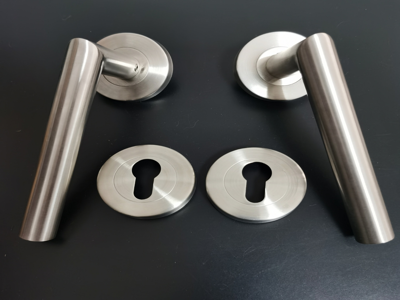
В современном мире дизайна интерьера каждый элемент играет ключевую роль в создании гармоничного и функционального пространства. Среди множества деталей дверные ручки часто остаются незамеченными, но именно они могут стать настоящим катализатором перемен. Технологический прогресс последних лет кардинально изменил подход к их разработке, превратив простые функциональные предметы в sophisticated элементы, которые не только выполняют свою основную задачу, но и вносят значительный вклад в эстетику и умные возможности дома. В этой статье мы глубоко погрузимся в то, как технологии дверных ручек революционизируют дизайн интерьера, рассматривая исторический контекст, современные инновации, материалы, интеграцию с умными системами, и будущие перспективы. Мы проанализируем, почему эти, казалось бы, незначительные детали стали центральными в создании интерьеров, которые сочетают красоту, удобство и устойчивость.
Исторический контекст: от простоты к сложности
Дверные ручки существуют уже тысячи лет, начиная с древних времен, когда они изготавливались из примитивных материалов like wood or stone и служили исключительно utilitarian purposes. В средние века, с развитием кузнечного дела, ручки стали более decorated, often featuring intricate designs that reflected the status and wealth of the owner. However, it was the Industrial Revolution that marked a turning point, introducing mass production and standardization. This allowed for more affordable and widely available handles, but they remained largely functional with limited aesthetic variation.
В XX веке, с rise of modernism, дизайн дверных ручек начал эволюционировать towards simplicity and minimalism, influenced by movements like Bauhaus. Designers like Le Corbusier and Mies van der Rohe emphasized form following function, leading to sleek, geometric handles that blended seamlessly with contemporary interiors. Но даже тогда технология была относительно basic: ручки изготавливались из металлов like brass or steel, with mechanical mechanisms that required physical force to operate.
Конец XX и начало XXI века brought a digital revolution that spilled over into all aspects of life, including interior design. The advent of computer-aided design (CAD) and advanced manufacturing techniques like CNC machining and 3D printing opened up new possibilities. Suddenly, дверные ручки could be custom-designed with complex shapes, integrated electronics, and smart features. This shift from purely mechanical to technologically enhanced devices marked the beginning of the current revolution, where handles are no longer just tools but integral components of a smart, connected home.
Сегодня, мы находимся на пике этой трансформации. Технологии позволили дверным ручкам стать multifunctional objects that contribute to security, energy efficiency, and overall user experience. For instance, early smart handles from the 2000s introduced keyless entry, but modern versions can include biometric sensors, wireless connectivity, and even AI-driven features. This historical progression shows how a humble item has evolved from a simple lever to a sophisticated piece of technology, reflecting broader trends in design and innovation.
Современные инновации в материалах и производстве
Одним из ключевых аспектов технологической революции в дверных ручках является использование advanced materials. Традиционные metals like brass and stainless steel are still popular for their durability and classic appeal, but new materials have emerged that offer enhanced properties. For example, composites and polymers can be engineered to be lightweight, corrosion-resistant, and available in a wide range of colors and finishes. This allows designers to create handles that are not only functional but also visually striking, matching any interior style from minimalist to extravagant.
Additive manufacturing, or 3D printing, has revolutionized the production process. It enables the creation of highly customized handles with intricate geometries that would be impossible with traditional methods. Designers can now experiment with organic shapes, lattice structures, and even incorporate functional elements like hidden compartments or integrated lighting. Moreover, 3D printing reduces waste and allows for on-demand production, making it more sustainable—a growing concern in modern design.
Another innovation is the use of smart materials, such as shape-memory alloys or self-healing coatings. These materials can adapt to environmental changes or repair minor damages, extending the lifespan of the handle and reducing maintenance needs. For instance, a handle made with a shape-memory alloy might change its form slightly in response to temperature variations, providing a better grip or aesthetic effect.
Production techniques have also advanced with the integration of robotics and AI. Automated assembly lines can produce handles with high precision and consistency, while AI algorithms optimize designs for strength, weight, and cost. This not only improves quality but also makes innovative handles more accessible to a broader market. As a result, consumers can now choose from a vast array of options that cater to specific needs, whether it's for a high-security commercial building or a stylish residential home.
These material and manufacturing advances have elevated дверные ручки from mere hardware to statement pieces that enhance the overall design narrative of a space. They allow for greater creativity and personalization, enabling interiors to reflect individual tastes and technological aspirations.
Интеграция с умными домами и IoT
Perhaps the most dramatic aspect of the technological revolution in door handles is their integration with smart home systems and the Internet of Things (IoT). Modern handles can be equipped with sensors, processors, and wireless communication modules, turning them into intelligent nodes within a connected ecosystem. This transformation has profound implications for convenience, security, and energy management.
For security, smart handles often feature biometric authentication, such as fingerprint or facial recognition, eliminating the need for keys and reducing the risk of unauthorized access. They can also include cameras or motion sensors that send alerts to homeowners' smartphones when activity is detected. In commercial settings, these handles can integrate with access control systems, logging entries and exits for enhanced oversight.
Convenience is another major benefit. Handles with Bluetooth or Wi-Fi connectivity can be controlled remotely via apps, allowing users to lock or unlock doors from anywhere. Some models even offer voice control compatibility with assistants like Amazon Alexa or Google Assistant, enabling hands-free operation. This is particularly useful for people with mobility issues or for managing multiple properties.
Energy efficiency is also enhanced through smart integration. Handles can work in tandem with other smart devices, such as thermostats or lighting systems. For example, when a door is unlocked, the handle might signal the HVAC system to adjust the temperature or turn on lights in the entryway. This not only improves comfort but also reduces energy consumption by optimizing resource use based on occupancy.
Furthermore, IoT-enabled handles can collect data on usage patterns, which can be analyzed to improve design or predict maintenance needs. For instance, if a handle is used frequently, it might automatically schedule a lubrication service or order replacement parts. This proactive approach minimizes downtime and ensures longevity.
The integration with smart homes represents a paradigm shift where дверные ручки are no longer isolated objects but integral parts of a larger technological framework. This not only enhances their functionality but also aligns them with the growing demand for interconnected, automated living spaces.
Эстетика и дизайн: слияние формы и функции
Технологические advancements have not compromised aesthetics; rather, they have enriched it. Today's door handles are designed with a keen eye for beauty, blending form and function in ways that were previously unimaginable. The revolution in design is evident in the diversity of styles available, from ultra-sleek minimalist handles to ornate, artistic creations that serve as focal points in a room.
Ergonomics play a crucial role in modern handle design. With the aid of software simulations and user testing, designers can create handles that fit comfortably in the hand, reducing strain and improving usability. This is especially important in high-traffic areas or for users with specific needs, such as the elderly or children. The shape, texture, and weight of a handle are carefully calibrated to provide a satisfying tactile experience.
Customization is another key trend. Thanks to technologies like 3D printing and digital fabrication, consumers can now personalize handles to match their exact preferences. This might involve choosing unique colors, materials, or even embedding personal symbols or patterns. In luxury interiors, bespoke handles are becoming common, crafted by artisans who combine traditional techniques with modern tools to create one-of-a-kind pieces.
Lighting integration is a popular aesthetic feature. Handles with built-in LED lights can illuminate entryways, adding both practicality and ambiance. These lights can be programmed to change colors based on the time of day or mood, contributing to the overall atmosphere of the space. Similarly, handles with translucent materials or reflective surfaces can play with light in creative ways, enhancing the visual appeal.
Sustainability is also influencing design aesthetics. Eco-friendly materials, such as recycled metals or biodegradable polymers, are being used to create handles that are not only beautiful but also environmentally responsible. Designs often emphasize longevity and repairability, countering the throwaway culture and promoting a circular economy.
In summary, the aesthetic revolution in door handles is about more than just looks; it's about creating objects that resonate emotionally with users while fulfilling their practical roles. This harmony between technology and design is what makes modern handles so revolutionary in the context of interior design.
Будущие тренды и перспективы
Looking ahead, the technological revolution in door handles is poised to continue accelerating. Several emerging trends suggest even more profound changes on the horizon. Artificial intelligence (AI) will likely play a bigger role, with handles that can learn user preferences and adapt accordingly. For example, a handle might recognize different family members and adjust settings like lighting or temperature based on their habits.
Augmented reality (AR) and virtual reality (VR) could transform how handles are designed and selected. Consumers might use AR apps to visualize how a particular handle would look in their home before purchasing, or designers could use VR to experiment with new concepts in a digital environment. This would further personalize the design process and reduce errors.
Advancements in energy harvesting technologies might lead to self-powered handles that generate electricity from motion or environmental sources, eliminating the need for batteries and enhancing sustainability. Similarly, the integration with renewable energy systems could make handles part of a home's energy management strategy.
In terms of materials, we can expect to see more innovations like nanomaterials that offer superior strength and conductivity, or bio-based materials that are fully compostable. These developments will not only improve performance but also align with global efforts to reduce environmental impact.
Security will continue to evolve with quantum-resistant encryption and advanced biometrics, making handles even more secure against emerging threats. Additionally, handles might become more interactive, with displays or haptic feedback that provide information or notifications.
Ultimately, the future of door handles lies in their seamless integration into the fabric of daily life. They will become invisible yet indispensable, enhancing our homes in ways we are only beginning to imagine. This ongoing revolution underscores the importance of paying attention to even the smallest details in interior design, as they can have a monumental impact on our living experience.
Заключение
В заключение, технологическая революция в дверных ручках представляет собой fascinating example of how innovation can transform everyday objects into sophisticated elements of design. From historical simplicity to modern complexity, handles have evolved to offer enhanced functionality, aesthetics, and connectivity. The integration of advanced materials, smart technologies, and sustainable practices has turned them into key components of contemporary interiors, contributing to security, convenience, and beauty.
As we move forward, it is clear that дверные ручки will continue to play a pivotal role in shaping the spaces we inhabit. Designers, manufacturers, and consumers alike should embrace these changes, recognizing the potential of technology to create environments that are not only visually appealing but also intelligent and responsive. By doing so, we can ensure that the revolution in door handle technology leads to a future where our homes are more harmonious, efficient, and delightful to live in.
Эта статья лишь scratches the surface of this vast topic, but it highlights the incredible journey of door handles from humble beginnings to technological marvels. Whether you are a designer, homeowner, or technology enthusiast, there has never been a more exciting time to explore the possibilities that these small yet powerful objects offer.
