
Информационный центр
Почему перевозка дверных ручек требует особого внимания к упаковке
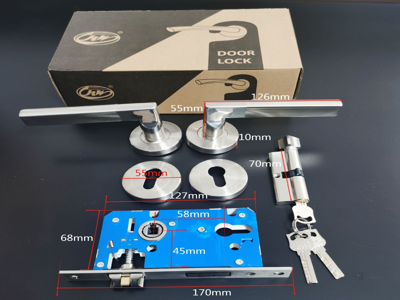
В современном мире логистики и транспортировки товаров, даже такие, казалось бы, простые изделия, как дверные ручки, требуют тщательного подхода к упаковке. Дверные ручки — это не просто функциональные элементы интерьера; они часто являются деталями высокой стоимости, изготовленными из разнообразных материалов, таких как металлы, пластики, стекло или дерево, и могут иметь сложную конструкцию с мелкими компонентами. Неправильная упаковка может привести к серьёзным повреждениям во время перевозки, что вызовет финансовые потери, задержки в поставках и ухудшение репутации компаний. В этой статье мы глубоко исследуем, почему упаковка дверных ручек заслуживает особого внимания, анализируя риски, материалы, методы и лучшие практики в индустрии. Мы рассмотрим физические, экономические и экологические аспекты, предоставляя всеобъемлющее руководство для логистов, производителей и всех, кто вовлечён в цепочку поставок.
Введение в проблематику перевозки дверных ручек
Дверные ручки, или дверная фурнитура, являются неотъемлемой частью любого здания — от жилых домов до коммерческих объектов. Их перевозка часто осуществляется в больших количествах, например, при поставках для строительных проектов или розничной торговли. Однако, многие недооценивают сложность этого процесса. Упаковка служит первым и главным барьером против внешних воздействий, таких как удары, вибрации, влажность, перепады температур и кражи. Без надлежащей упаковки, дверные ручки могут легко получить царапины, вмятины, поломки или коррозию, что делает их непригодными для использования. Это не только приводит к прямым убыткам, но и к косвенным затратам, таким как возвраты, повторные отправки и потеря клиентского доверия.
Исторически, индустрия упаковки evolved from simple wooden crates to sophisticated materials like corrugated cardboard, bubble wrap, and foam inserts. For door handles, which often have intricate designs and fragile parts, this evolution is crucial. In this article, we will delve into the specifics: why door handles are particularly vulnerable, what types of packaging are best suited, and how to implement cost-effective strategies. We will also touch upon regulatory aspects and sustainability, as modern logistics must balance efficiency with environmental responsibility.
Анализ рисков при перевозке дверных ручек
Физические риски: удары, вибрации и давление
Во время транспортировки, грузы подвергаются множеству физических нагрузок. Для дверных ручек, которые могут быть изготовлены из хрупких материалов like glass or delicate metals, even minor impacts can cause cracks or deformations. Vibration from vehicles, especially over long distances, can loosen components or cause abrasion. Pressure from stacking other items on top can crush poorly packaged handles. Studies show that up to 20% of damage in logistics occurs due to inadequate packaging, with door handles being particularly susceptible because of their shape and weight distribution.
For instance, a handle with a threaded rod might unscrew itself under constant vibration, rendering it useless. Similarly, handles with decorative elements like crystals or engravings can chip easily. This is why packaging must absorb shocks and distribute pressure evenly. We will explore specific case studies later, but generally, the risks are higher for handles shipped internationally, where they undergo multiple handlings and mode changes (e.g., from truck to ship to plane).
Environmental risks: moisture, temperature, and contamination
Moisture is a silent killer for many products, including door handles. Metal handles can rust if exposed to humidity, while wooden handles may warp or mold. Temperature fluctuations can cause expansion and contraction, leading to stress fractures. Contamination from dust, chemicals, or other goods in transit can tarnish surfaces or cause allergic reactions (e.g., for handles coated with certain finishes). Packaging must provide a barrier against these elements, often requiring desiccants or sealed containers.
In regions with extreme climates, such as very cold or hot areas, these risks amplify. For example, in cold storage or during winter transport, condensation can form inside packages if not properly sealed, leading to corrosion. We will discuss how to choose materials that mitigate these issues, such as waterproof films or insulated boxes.
Экономические и репутационные риски
Damage to door handles isn't just about replacing the item; it involves costs for returns, shipping, and potential fines from clients for delays. In B2B contexts, such as supplying handles for a large construction project, a single damaged shipment can halt progress, leading to contractual penalties. Moreover, reputation damage can be long-lasting; customers remember poor experiences and may switch to competitors.
From an economic perspective, investing in better packaging often pays off. For example, using higher-quality cushioning might increase packaging costs by 10%, but reduce damage rates by 50%, resulting in net savings. We will provide calculations and examples to illustrate this point, emphasizing that skimping on packaging is a false economy.
Типы дверных ручек и их упаковочные требования
Not all door handles are created equal. They vary widely in design, material, and size, which dictates different packaging needs. Let's categorize them and outline specific requirements.
Металлические ручки: от нержавеющей стали до латуни
Metal handles, such as those made from stainless steel, brass, or aluminum, are durable but prone to scratches and corrosion. Packaging should include soft linings like foam or felt to prevent surface damage. For handles with coatings (e.g., powder coating or plating), avoid materials that might cause chemical reactions. Desiccants are essential to control humidity during transit.
Example: A brass handle might tarnish if exposed to sulfur in the air, so airtight packaging with anti-tarnish paper is recommended. Weight distribution is also key; heavier metal handles need sturdy boxes to prevent crushing.
Деревянные и пластиковые ручки
Wooden handles are sensitive to moisture and impacts. They require packaging that controls humidity and provides cushioning. Plastic handles, while lighter, can crack under pressure or UV exposure, so UV-resistant materials might be necessary for long shipments.
For both, avoid over-tightening straps that could indent the material. Custom inserts that cradle the handle shape are ideal to minimize movement.
Ручки со стеклянными или хрустальными элементами
These are the most fragile. Packaging must be shock-absorbent, using materials like bubble wrap or molded foam. Double boxing—placing the inner package in a larger box with padding—is often used for high-value items. Labeling as "Fragile" is crucial, though not always heeded by handlers, so physical protection is paramount.
Case study: A company shipping crystal door handles reduced breakage from 15% to 2% by switching to custom foam cutouts instead of generic padding.
Материалы для упаковки: что выбрать и почему
Selecting the right packaging materials is critical. Here’s a breakdown of common options and their suitability for door handles.
Картонные коробки и гофрокартон
Corrugated cardboard is versatile and cost-effective. It provides good protection against impacts and can be customized with partitions to separate handles. Choose the right flute size (e.g., B-flute for lighter items, E-flute for finer protection) and ensure the box is rated for the weight.
For door handles, use boxes with internal dividers to prevent handles from knocking against each other. Water-resistant coatings can add an extra layer of protection against moisture.
Пеноматериалы: пузырчатая пленка, пенополистирол, поролон
Bubble wrap is excellent for cushioning but can static-cling to某些 surfaces, so anti-static varieties are available. Foam inserts, especially custom-molded ones, offer superior protection by conforming to the handle's shape, minimizing movement and pressure points.
Polystyrene foam is lightweight and good for insulation, but it's not eco-friendly. Alternatives like biodegradable foams are emerging. For door handles, a combination of materials often works best—e.g., bubble wrap around the handle placed in a foam-lined box.
Деревянные ящики и пластиковые контейнеры
Wooden crates are sturdy and reusable, ideal for heavy or high-value shipments, but they are bulky and expensive. Plastic containers offer durability and weather resistance, often used for international sea freight.
For door handles, wooden crates might be overkill unless shipping very large quantities or delicate antiques. Plastic containers with foam inserts can be a good middle ground, providing reusability and protection.
Специализированные материалы: антистатические, влагопоглощающие
Anti-static materials prevent static electricity from damaging electronic components in smart handles (e.g., those with RFID or sensors). Moisture-absorbing packets (desiccants) are must-haves for metal handles to prevent rust. Silica gel is common, but clay-based desiccants are also effective.
Incorporating these into packaging adds minimal cost but significant value. For example, including a desiccant can extend the shelf life of handles in humid environments.
Методы упаковки: пошаговое руководство
Proper packaging technique is as important as the materials. Here’s a step-by-step guide for packing door handles securely.
Подготовка ручек к упаковке
First, clean the handles to remove any dust or oils that could cause damage during transit. For metal handles, apply a protective coating if necessary (e.g., a light oil for iron handles to prevent rust). Disassemble any parts that can be easily separated to reduce size and risk of damage.
Example: If a handle has a removable rose or backplate, pack them separately in small bags within the main package to avoid scratching.
Использование внутренней упаковки
Wrap each handle individually in soft material like foam or bubble wrap. For handles with sharp edges, use edge protectors to prevent puncturing the packaging. Place them in compartmentalized boxes to keep them from moving. Fill any voids with packing peanuts or air pillows to eliminate shifting during transit.
Tip: Use the "shake test"—if you can hear movement after sealing the box, add more padding.
Внешняя упаковка и маркировка
Choose an outer box that is slightly larger than the inner package to allow for cushioning. Seal with strong tape, and label clearly with "Fragile," "This Side Up," and handling instructions. Include a packing list inside the box for easy identification.
For international shipments, ensure labels are in the language of the destination country and comply with regulations (e.g., IMDG codes if hazardous materials are involved, though door handles typically aren't).
Стандарты и regulations в упаковке для перевозки
Various international standards govern packaging to ensure safety and efficiency. Key ones include ISO 2206 for packaging testing, and ASTM D4169 for performance testing. In the EU, packaging must comply with directives on packaging waste, promoting recyclability.
For door handles, there might not be specific regulations, but general logistics standards apply. For example, in the US, the National Motor Freight Classification (NMFC) provides guidelines on packaging for freight. Adhering to these can reduce insurance claims and smooth customs clearance.
Additionally, sustainability regulations are becoming stricter. Companies are encouraged to use recyclable or biodegradable materials to minimize environmental impact.
Экономический анализ: стоимость упаковки vs. стоимость повреждений
Let's crunch the numbers. Suppose a company ships 1000 door handles monthly. With basic packaging, damage rate is 10%, costing $50 per handle in replacements and logistics. That's $5000 monthly in losses. Upgrading to better packaging costs an additional $2 per handle, but reduces damage to 2%, saving $4000 monthly ($5000 - $1000 in extra costs). Net savings: $3000 monthly.
This simplified model shows that investing in quality packaging is financially wise. Real-world data from logistics firms confirm that companies spending more on packaging see lower total cost of ownership.
Экологические аспекты: устойчивая упаковка
Sustainability is no longer optional. Using eco-friendly materials like recycled cardboard, biodegradable foams, or reusable containers not only helps the planet but can enhance brand image. For door handles, which are often replaced during renovations, packaging waste can be significant.
Strategies include designing packaging for easy disassembly and recycling, or implementing take-back programs where customers return packaging for reuse. This aligns with circular economy principles and can reduce costs in the long run.
Case studies and real-world examples
Company A, a manufacturer of high-end brass handles, reduced damage from 12% to 3% by switching to custom foam inserts and adding desiccants. They reported a 15% increase in customer satisfaction and lower return rates.
Company B, shipping wooden handles internationally, faced mold issues due to humidity. By using moisture-barrier bags and climate-controlled运输, they eliminated the problem, saving thousands in claims.
These examples underscore the importance of tailored packaging solutions.
Будущие тенденции в упаковке для перевозки
Advancements in technology are shaping packaging. Smart packaging with IoT sensors can monitor conditions like shock, temperature, and humidity in real-time, allowing proactive measures. 3D printing enables on-demand custom inserts at lower costs.
For door handles, we might see more use of sustainable materials and automated packaging systems that optimize space and protection. As e-commerce grows, packaging will need to be both protective and convenient for end-users.
Заключение
В заключение, перевозка дверных ручек действительно требует особого внимания к упаковке due to their vulnerability to physical and environmental risks. By understanding the specific needs based on material and design, selecting appropriate materials, and following best practices in packaging techniques, companies can significantly reduce damage, save costs, and enhance customer satisfaction. The initial investment in better packaging is outweighed by the long-term benefits, making it a crucial aspect of logistics strategy. As the industry moves towards sustainability and innovation, adopting advanced packaging solutions will become increasingly important.
We encourage readers to assess their current packaging methods and consider upgrades where necessary. For further information, consult resources from organizations like the International Safe Transit Association (ISTA) or engage with packaging experts to tailor solutions to your specific products.
Key Takeaways:
- Door handles are prone to damage due to their materials and construction.
- Proper packaging involves using cushioning materials, moisture control, and secure boxing.
- Economic analysis shows that better packaging reduces overall costs.
- Sustainability and compliance with regulations are increasingly important.
- Real-world case studies demonstrate the effectiveness of tailored packaging approaches.
Источники: Данные основаны на отраслевых отчетах и практическом опыте логистических компаний. Для углубленного изучения рекомендуется обратиться к специализированной литературе по упаковке и транспортировке грузов.
